

Ayyıldız Dokuma chooses quality and sustainability with Epson Monna Lisa
How digital pigment printing transforms production and quality
In the heart of the Ergene River Basin — a highly water-stressed area of Turkey — Ayyıldız Dokuma has chosen to revolutionise production by investing in digital printing using pigment inks. Epson Monna Lisa technology has enabled the company to achieve unprecedented quality, speed and sustainability.
The story of Ayyıldız Dokuma: a journey of both textile production and also of care for the planet
Founded in 2010 as a company specialising in marketing, Ayyıldız Dokuma is a Turkish company based in Tekirdağ (in the Ergene River Basin), which in 2019 also started to produce in-house a wide range of natural fibre fabrics (linen, cotton and Tencel), developed entirely in its own factory using raw materials purchased in Turkey. Ayyıldız realises samples, collections and large-scale production, maintaining total control over process and quality.
With an export share of around 80% to a total of 40 different countries (including Germany, the US and the UK), and with its main customer owning some of the best-known brands in the fashion world, the company has now become one of the emerging suppliers in the industry: its careful research and development and quality procedures are geared towards full customer satisfaction. Moreover, constantly evolving towards excellence, the company is committed to eco-conscious production, ethical economic and labour practices and a careful respect for individuals, society and the law.
Epson printing technology is the ideal solution for Ayyıldız Dokuma, which operates in a critical environment
Operating in the Ergene River Basin — which is among the worst affected regions in Turkey in terms of water shortages — places severe constraints on any textile company: since 2015, any new factories have been subject to stringent legal restrictions and every industrial activity must adopt extremely efficient water management systems.
Ayyıldız Dokuma was therefore faced with the need to implement an all-round sustainable production system, focusing on reducing water and energy consumption, as well as highly efficient management of the entire workflow.
In 2021, the company sought to reduce energy and water consumption by using reactive printing, subsequently switching to digital pigment printing, which is a better option because it requires less water, less energy and enables more flexible and faster production, especially in the sampling phase. However, the printers adopted failed to achieve the desired results in terms of production. After the first runs, Ayyıldız Dokuma realised that it has more problems than solutions: unreliable quality, complex maintenance and insufficient support. It was clear that such unreliable technology was unable to sustain the company’s growth or guarantee the precision required by its customers: the situation was no longer tolerable and the company began to search for new solutions.
‘It was at this stage,’ says Emre Loğoğlu, co-founder partner of Ayyıldız Dokuma, ‘that we started to work with the Japanese company, Epson, who immediately proved to be really attentive and offered a level of support that we had never experienced before. We initially tested Epson inks and the results were incredibly positive. Subsequently, our quality improved significantly and production cycles became longer and more stable: Epson has given us the confidence to grow our business.’
Epson Monna Lisa: the winning choice
The choice proved to be an immediate success: staff reported that the problems that had so plagued and slowed down production disappeared; after six months, everything was still running smoothly; the heads maintained optimum performance, production increased and the staff became increasingly confident.
‘After the difficulties we encountered with the previous machines,’ Emre Loğoğlu explains, ‘we kept asking ourselves whether the same problems would recur, whether the print heads would last a week, a month or whatever. But the more time passed, the more none of this happened; on the contrary, we only noticed a considerable improvement in terms of production and sustainability.’
Ayyıldız Dokuma’s partnership with Epson thus marked a radical change: the Japanese company provided not only the printer, but also constant and proactive technical support and guaranteed sustainability. Monna Lisa is a digital textile printer that uses pigment inks and significantly reduces water consumption thanks to an advanced system that filters and recycles the water used during the ribbon cleaning process.
But there is more: the speed with which Ayyıldız is now able to develop new fabric variants and colours means it can respond more quickly to the needs of customers, which heightens their perception of the quality of production. In short, samples reach customers faster, quality remains constant even for large volumes, and the company’s production capacity grows significantly.
Spurred on by this expanded production and increased demand from brands, after just eight months, Ayyıldız purchased a second Monna Lisa, which only goes to confirm the central importance of Epson printing technology in its operations.
Monna Lisa: efficiency, quality and reduced consumption to ensure the growth of Ayyıldız
‘In our company,’ explains Emre Loğoğlu, ‘Monna Lisa is affectionately nicknamed “Da Vinci” and it has indeed been one of our best investments. The combination of Japanese technology and Italian design can be perceived in every detail: from the efficiency of the consumables to the performance, it is clearly the result of work developed by a strong team of engineers.’
There are two models installed at the company: Monna Lisa ML-32000 and ML-64000 (with 32 and 64 heads respectively). The compact design of the recycling unit integrates seamlessly into existing workflows, enabling efficient and eco-friendly operation, while the integrated sensor continuously monitors water contamination levels, ensuring compliance with local wastewater regulations and maximising recycling efficiency. As well as this, the large number of printheads ensures high-speed printing, which means jobs can be completed quickly and with the highest quality.
For Ayyıldız, Monna Lisa is not only an innovative and reliable printer, but is also a strategic tool for business growth, which has enabled the company to cope well with the demands of fast fashion, where speed and precision are crucial. It is also a demonstration of how digital printing technology can ensure a more sustainable future for textile production, without compromising productivity and quality.
Looking to the future, Ayyıldız is following Epson’s innovations with interest. ‘These developments,’ Emre Loğoğlu concludes, ‘could open up new possibilities for diversification in the future, in the sense of extending our business alongside our core production technology.’
Key Facts
- With Epson, Ayyıldız Dokuma grows in business and sustainability.
- Monna Lisa allows faster sampling, with outstanding results.
- Epson digital textile printing technology reduces water consumption.
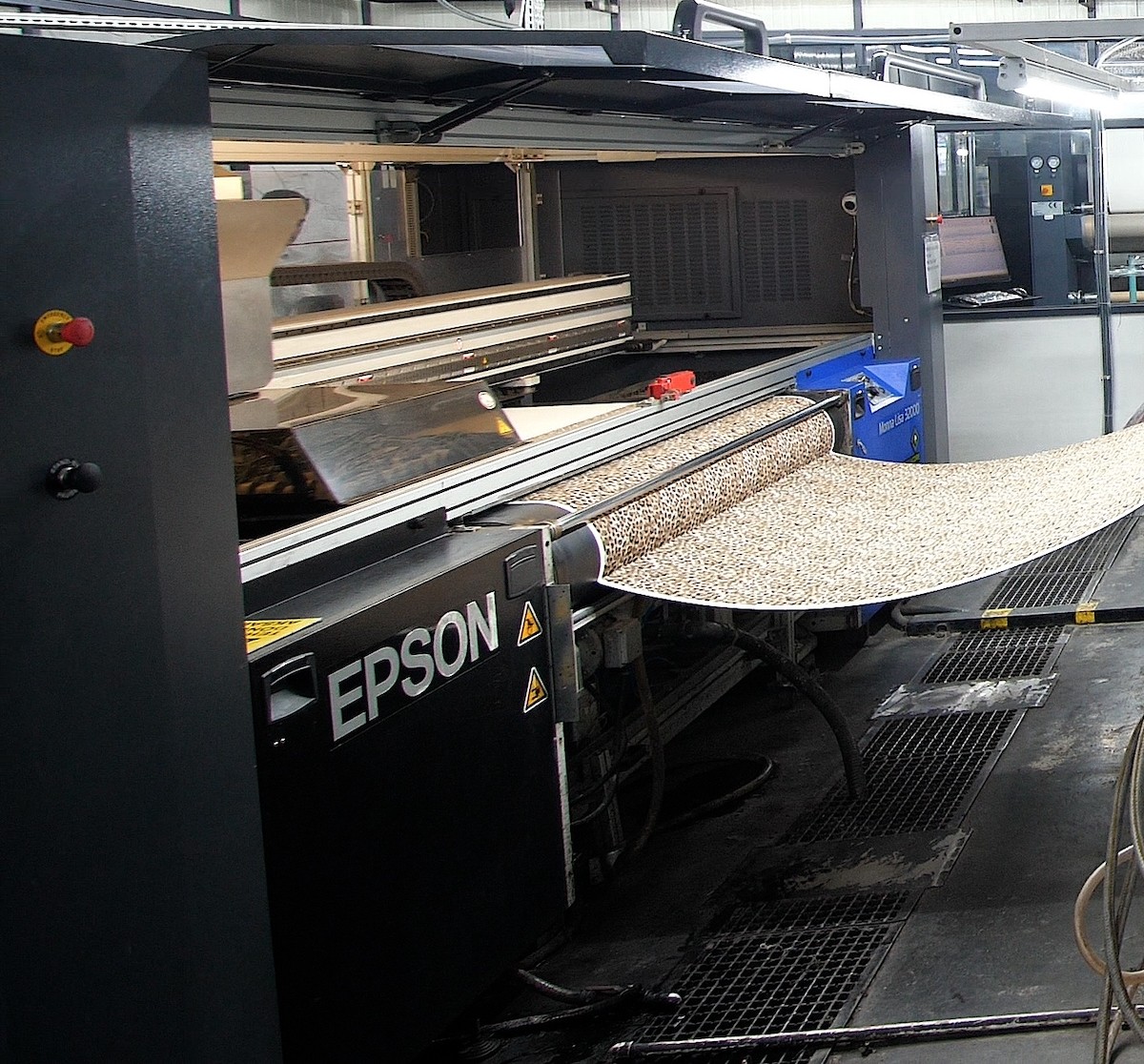
Monna Lisa has demonstrated how digital printing technology can ensure a more sustainability future for textile production without compromising productivity and quality.
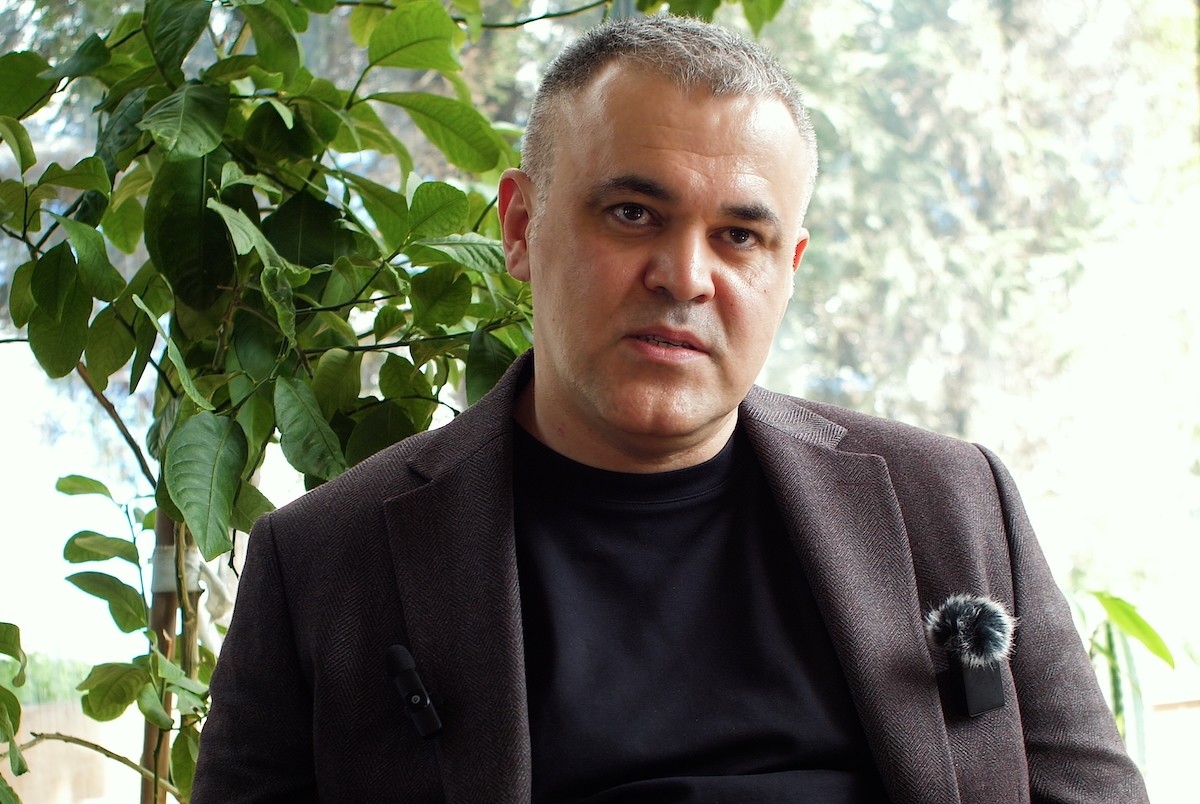
Emre Loğoğlu, co-founder and partner of Ayyıldız Dokuma
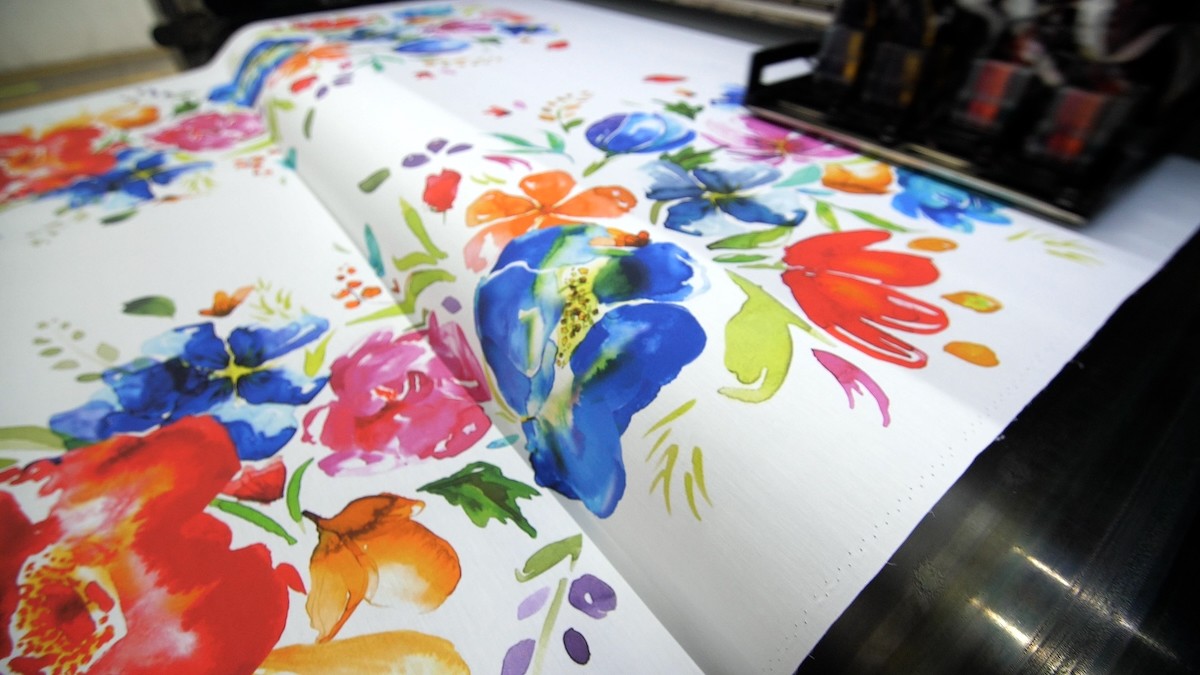
An example of the quality achievable with the Monna Lisa printer.
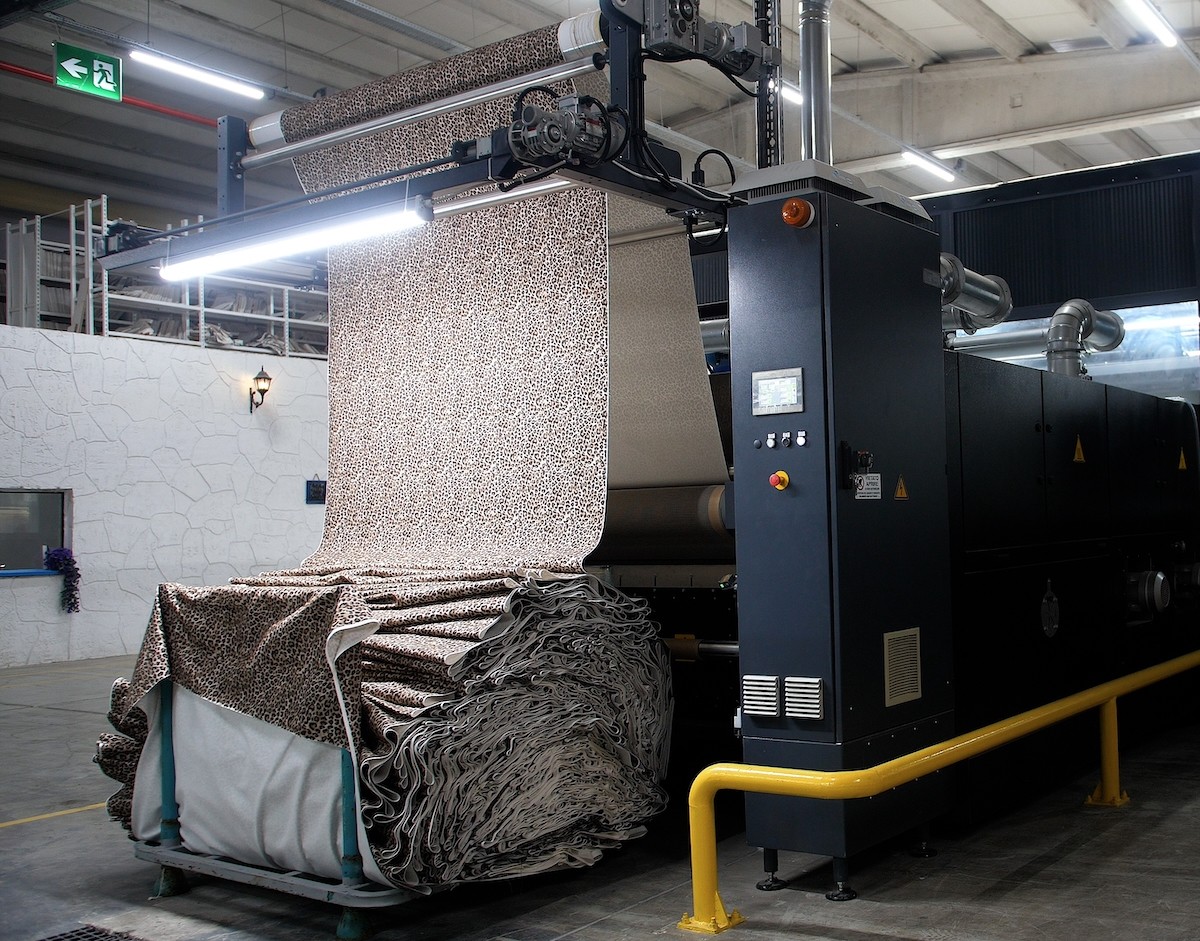
With Monna Lisa, thanks to the high number of print heads, production is fast and of the highest quality.
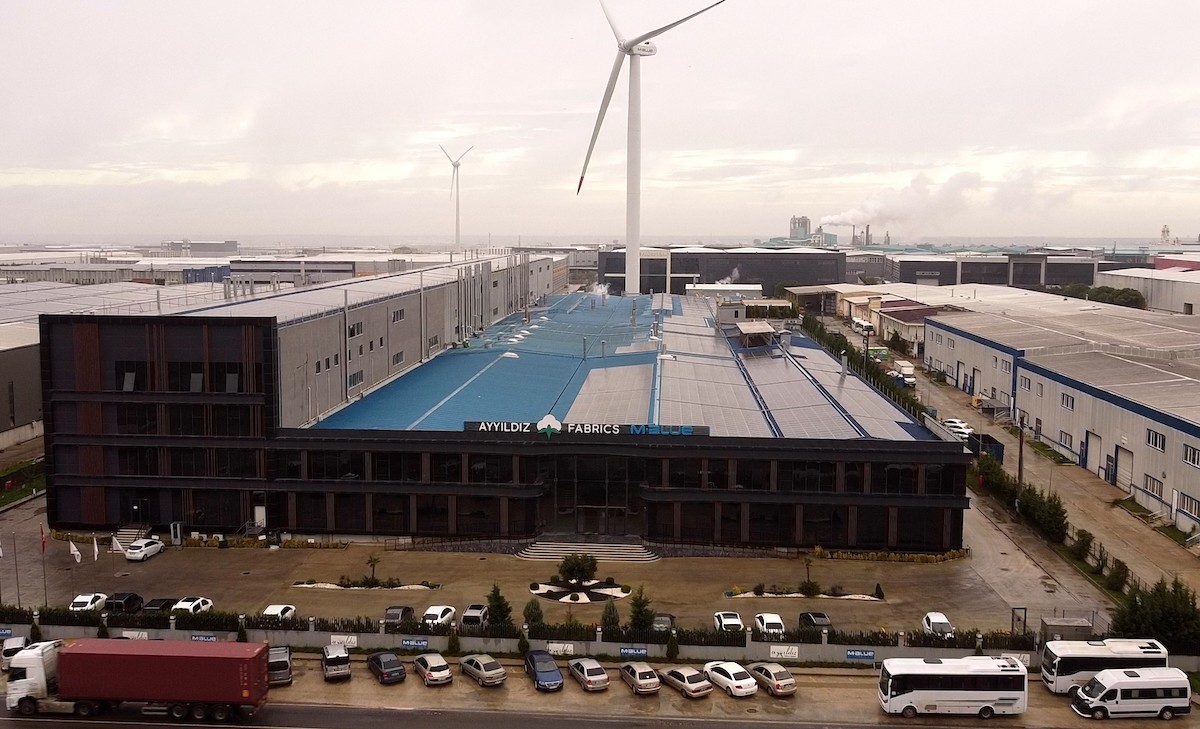
Ayyıldız Dokuma headquarters in Tekirdağ, in the Ergene basin.
Related Posts

Share This Story!
